Mrs. Ruth explains the significance of the game for her and her family.
ABOUT
The Creator…
A.L. Freeman
Former Educator Creates African-American Inspired Opoly Board Game.
Arnetta Freeman is the Creator of Black-Owned Opoly. She didn’t just want to change the board, but she wanted to rewrite her own history. “When I look around the board, and see the type of black business represented in my community, it gives me a sense of pride and a lot of joy. My family’s story is here, and so is mine.”
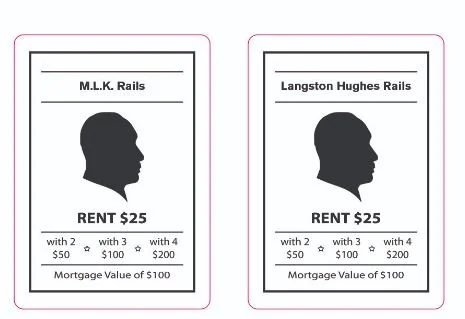
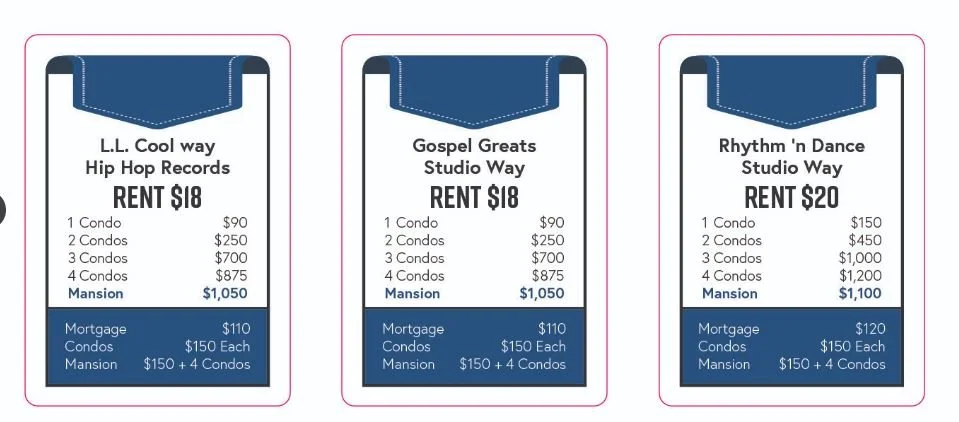
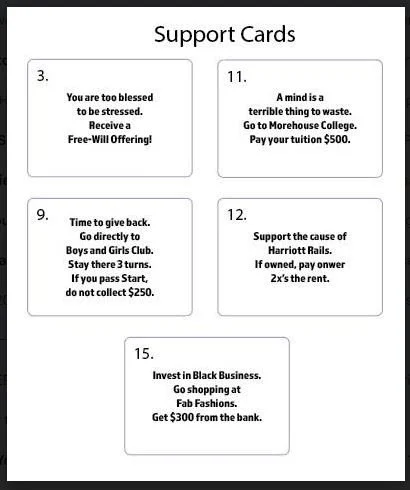
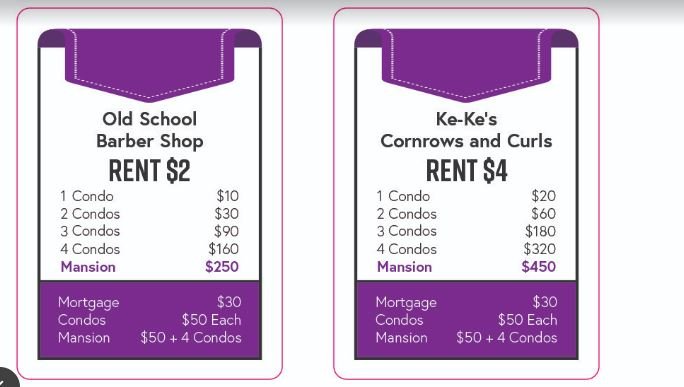
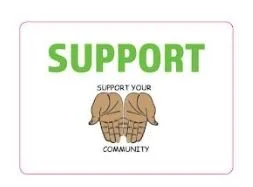
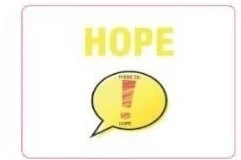
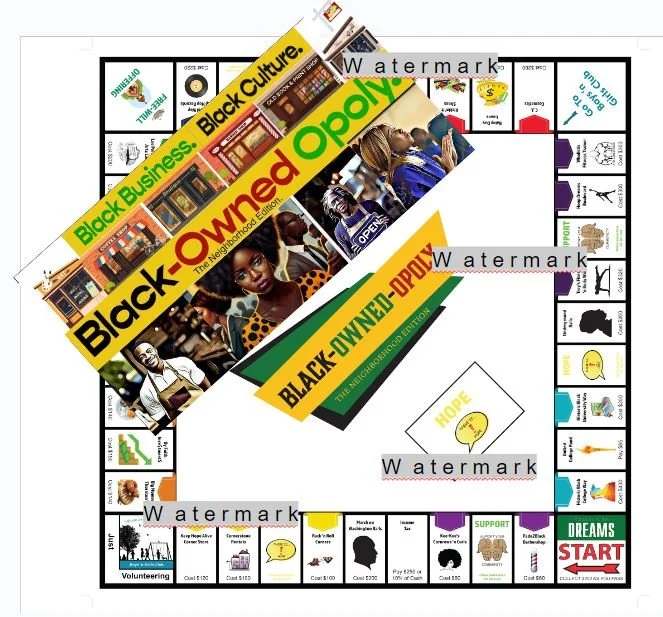
Her patented design reflects black businesses, (born out of a need for black business to support each other) and a sense of community by adding a local church and boys and girls club on the corners. (No jails here). In her version, players go straight to the Boys and Girls Club to volunteer. “That’s how we give back.” (unless of course you have a temporary get out of volunteering card). "That’s what our neighborhoods had," she said. "...someplace safe to go and someone had to volunteer to make that community program to work." (Everything from the name to the board, to the hope and support cards that take you to them are about unity). “It takes me back...,” she says “and makes me smile when I look at the board and how far we've come as a people. Some are real business, others are fictitious businesses like "L.L. Cool Way Hip-Hop Records, Big Bob's Soul Food and The Fade2Black “Old School” Barber Shop. “It tells a story,” she added. "...Stories most African-Americans can identify with and be proud of." (But, you don't need to be an African-American to play it.)
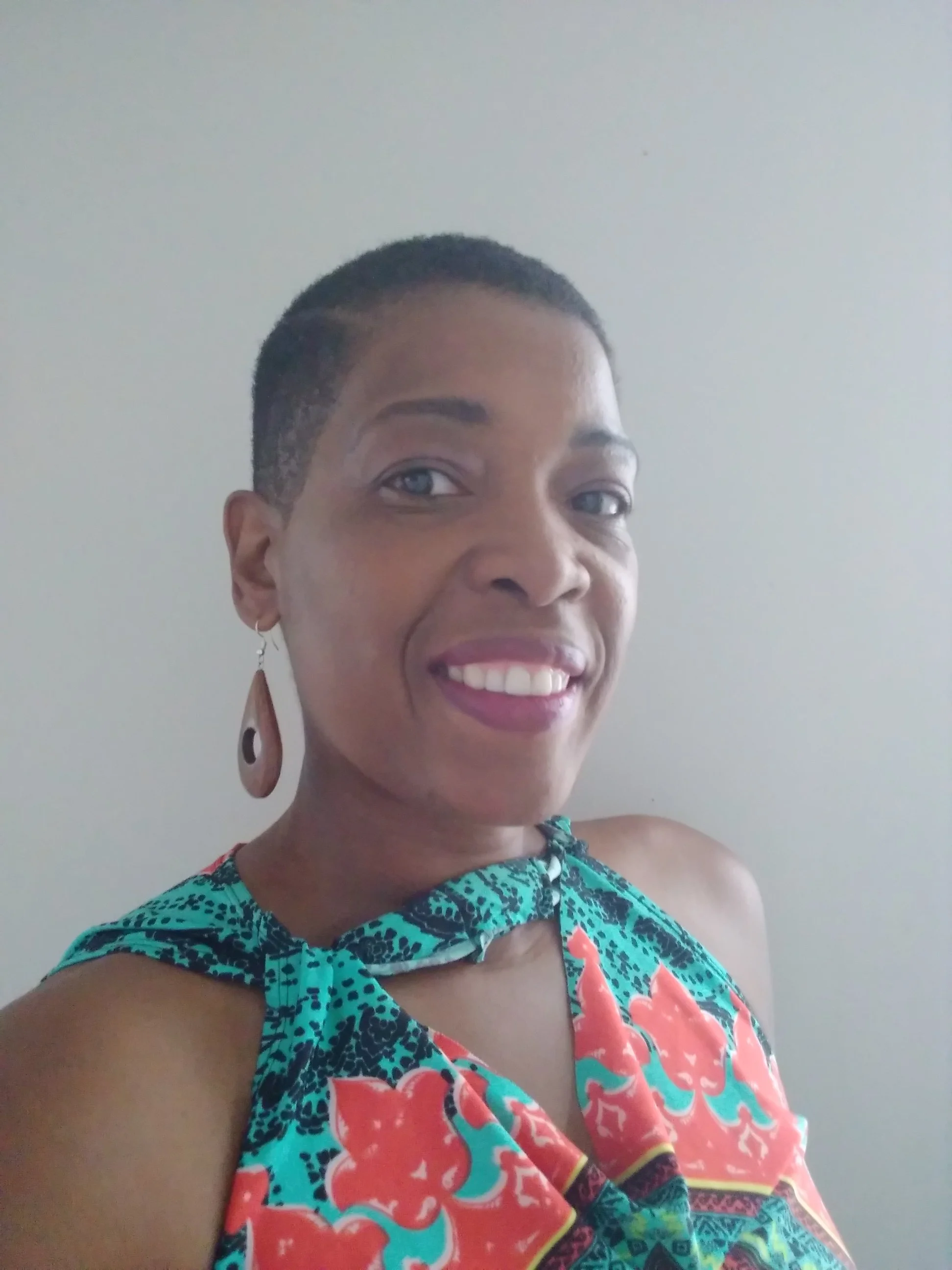
“Not only do black lives matter, Black businesses do to. I have met over the years beautiful black business people many right in the community who are essential to the communities they serve. It’s important that their stories be told and the dream of entrepreneurship lives on in our children and our children’s children..”
Both Poet, storyteller and Educator, Arnetta wanted to tell the stories of African-Americans through her favorite board game. “If I didn’t tell their stories, who was?” It’s up to us to tell our own stories and write, and re-write our own history.
Black-Owned-Opoly Is Almost Here… ORDER NOW (336) 999-1365
“The new Opoly Board game that emphasizes Black Businesses and African-American Culture around the board honoring our past, present and future. I can’t wait for you to play it.”
PLEASE CALL 336-999-1365 to place your order by Christmas.
OR TEXT
“I WANT ONE.”
You will receive an invoice. OR Click to pay now!
“There is no greater agony than bearing an untold story inside of you.”
Black-Owned Opoly, The Neighborhood Edition … A fun, yet inspiring Opoly board game that tells a story about black entrepreneurship and community. Players gain hope to own their own black business, provide support to other business industries, and support their community. The board design uniquely embraces african american culture, history and community, including cornerstone businesses that remind of our neighborhoods and the familiarity of our food, music, talents, fashion, sports, higher education, fitness, and other aspirations.
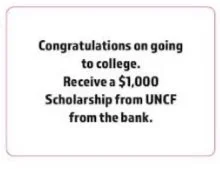
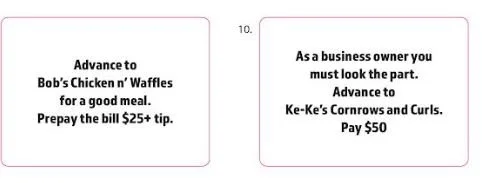
Pick a “Hope” or “Support” card and who knows where you will end up—at Cool Way Records listening to some Hip Hop; or at the local church paying 10% of all you own.
Imagine visiting Maya’s open-mic for some poetry and Jazz, sampling food from Big Bob’s Soul Food, or sitting down for a haircut at Fade2Black Barber shop. These have been some of the most influential businesses in our culture and community and are still thriving industries today. Some of the business on the board are real businesses. (Read about them on the stories page or below)
The board tells a little bit of about our past, present and future.
By the way, there are no jails here. Instead we take responsibility for our own communities and give back to the Boys and Girls Club.
By using these images, the rules of opolies have changed to reflect team-building, entrepreneurship, giving back and community responsibility, and most importantly black businesses supporting each other while competing in this cashflow game of real property.
Pre-Order Now 336-999-1365
〰️
Coming This November, In Time for Christmas!
Pre-Order Now 336-999-1365 〰️ Coming This November, In Time for Christmas!
“I think you’re on to something.”
“It’s About Time.”
“I never enjoyed the original Monopoly. It never represented my neighborhood. There are no Marvin Gardens in my neighborhood, and definitely no jails on the corner. I like this one better because it has more meaning to me as a black person. ”
Watermark
watermark
watermark
watermark
watermark
watermark
watermark
watermark
Images may vary slightly at final production
Donate A Game to a Local Boys 'n Girls Club
〰️
Donate A Game to a Local Boys 'n Girls Club 〰️
DISCOVER BLACK
Community ENTREPRENEURS.
-
What do you think of the Black-Owned Opoly Game so far?
send us your quotes and videos please.
-
Why is playing this version with your family and kids so Important?
Send us your video to blackownedopoly@gmail.com
-
Let Me Show You Around The Board
Black Culture.
Black Business.
Black-Owned Opoly.
Telling our own stories, because no-one else will
•
Telling our own stories, because no-one else will •
Black History begins with telling our own stories from the past to the present to the future…. when you support Black-Owned Opoly, you support black-owned businesses.
-
![]()
Other Sun's Coffee Shop
Food & Beverage, Winston-Salem, NC
-
![]()
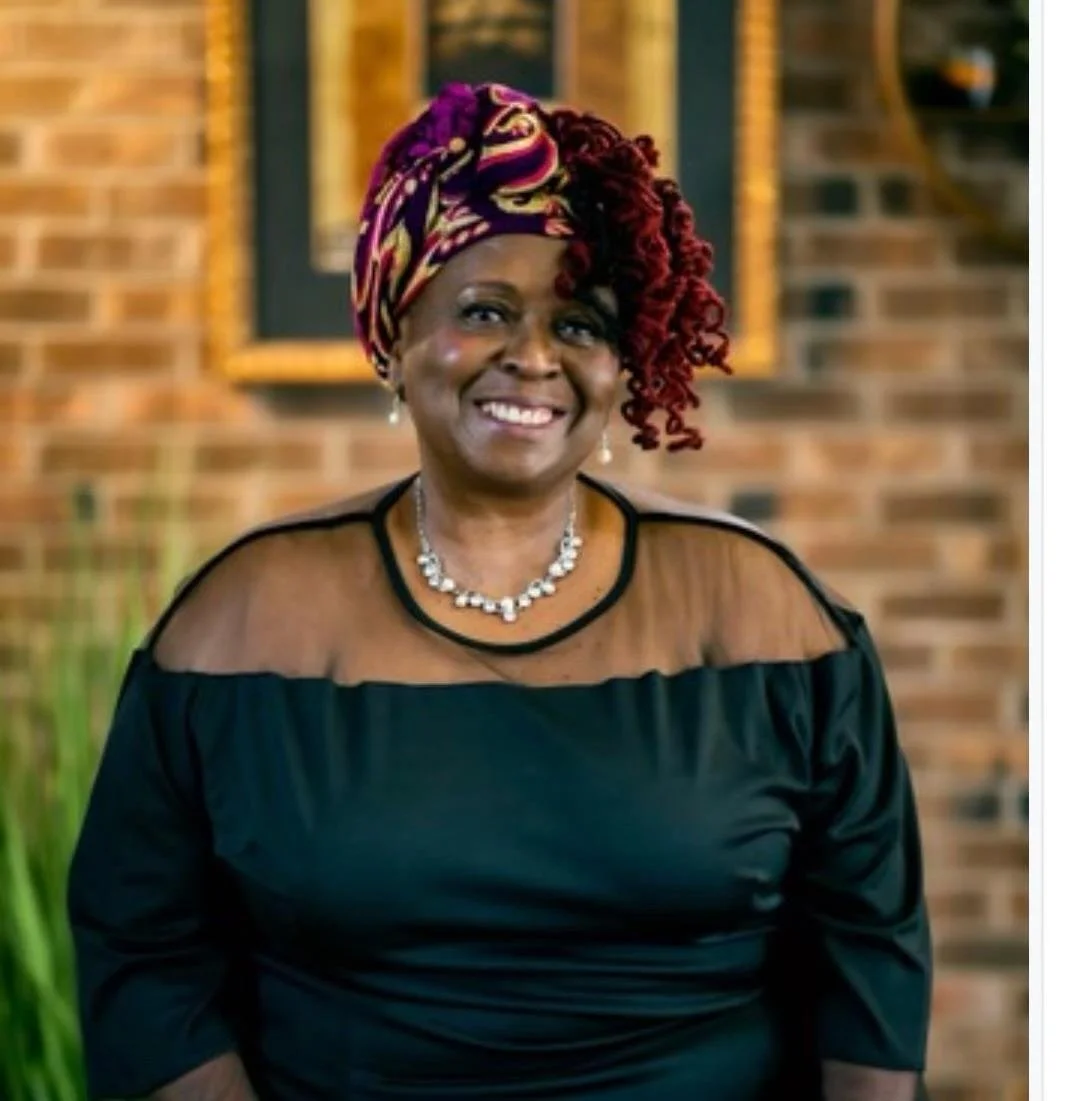
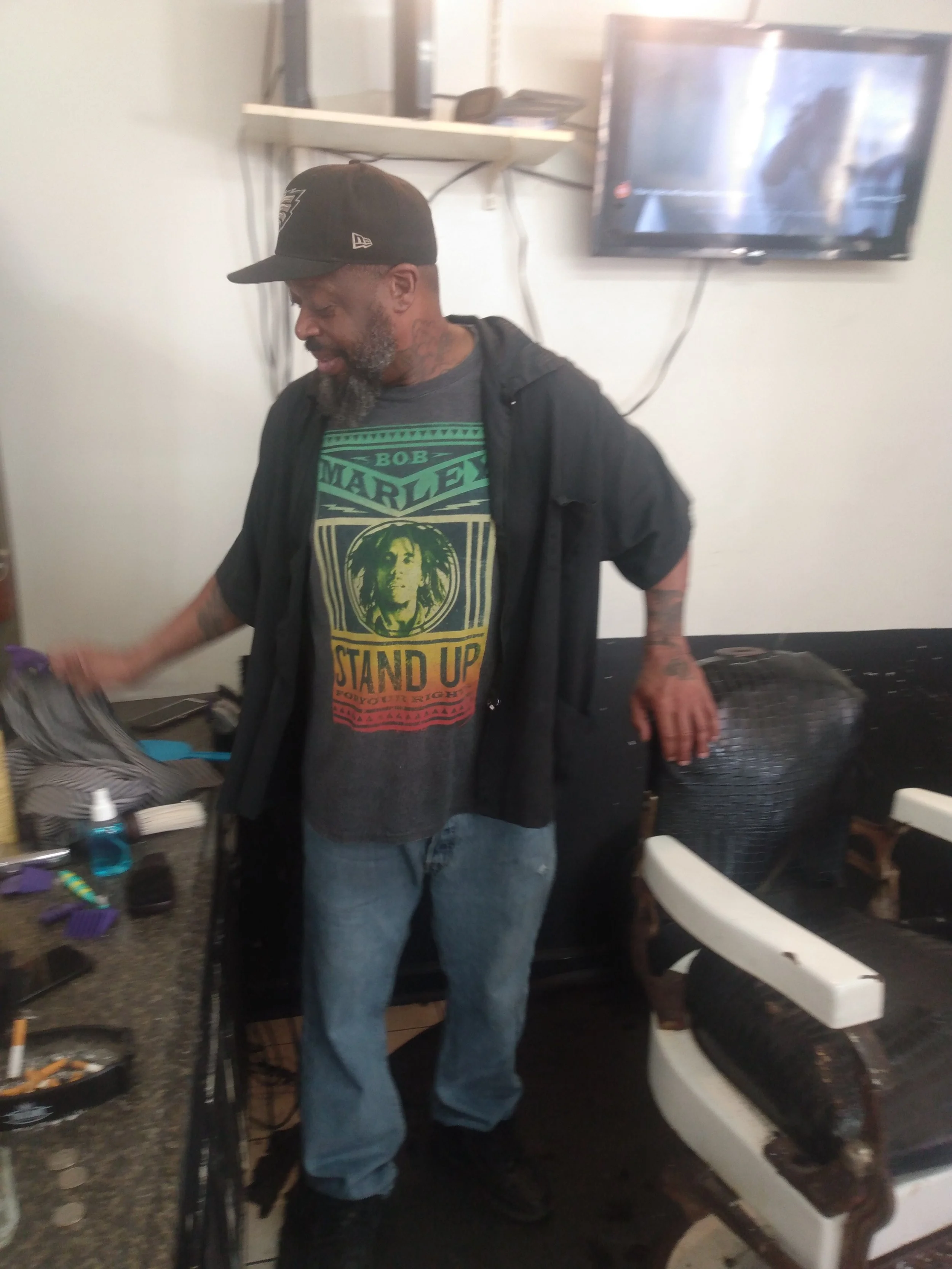
Fade2Black Barber Shop
Beauty Industry, Little River, SC
-
![Plain Aesthetic Glass Barbecue Containers]()
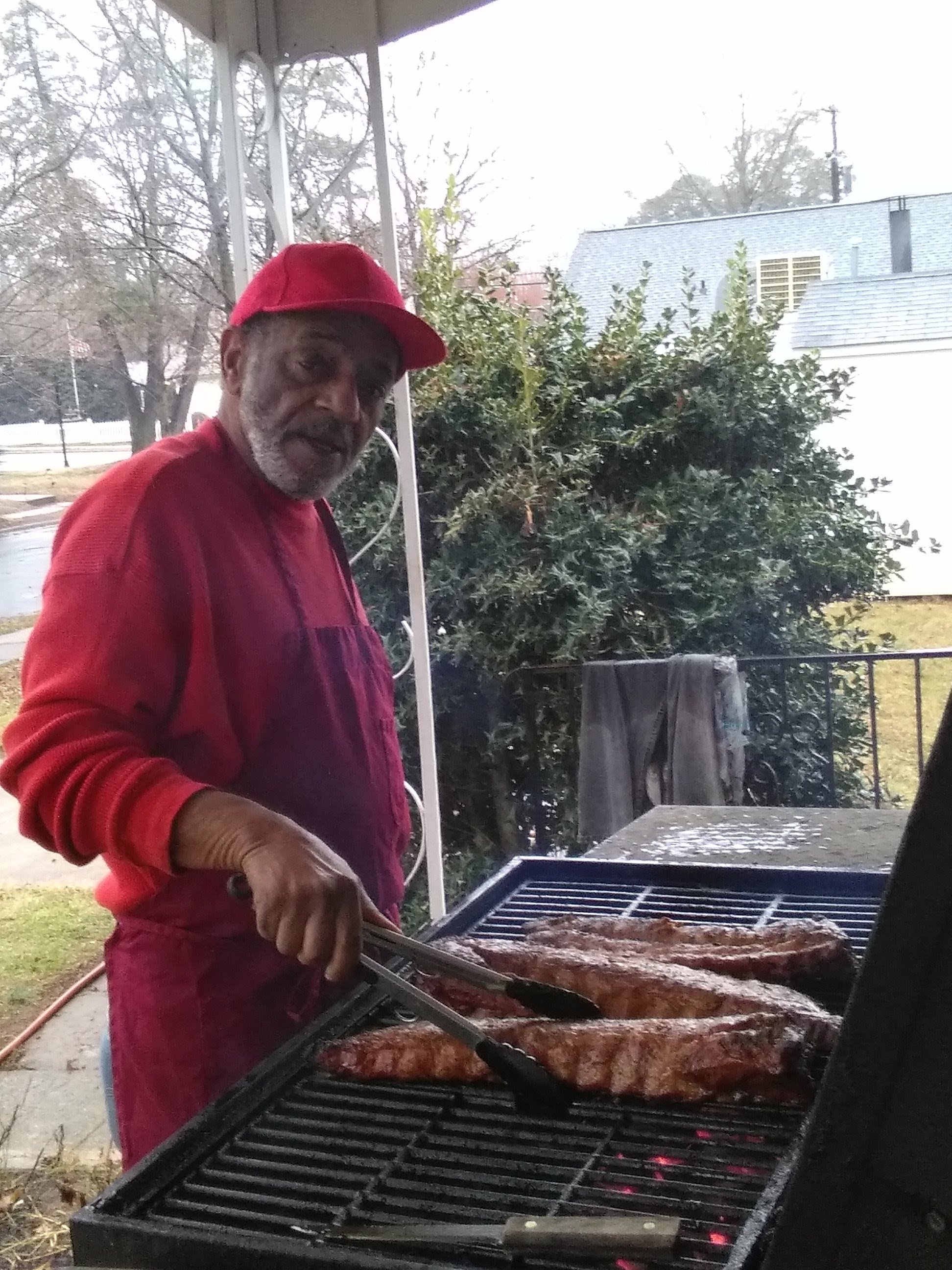
Uncle Richard's Rib Shack
Food Industry, Winston-Salem, NC
-
![]()
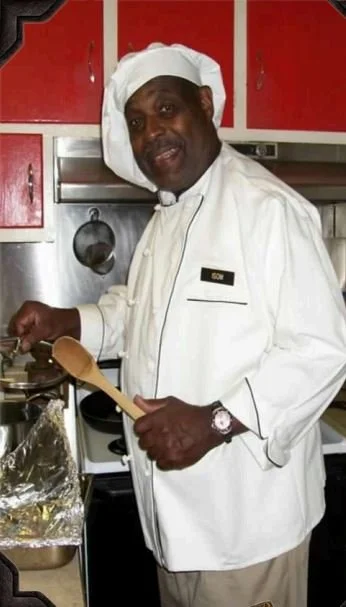
Bob Isom's Soul Food
Culinary, Louisville, Ky
-
![]()
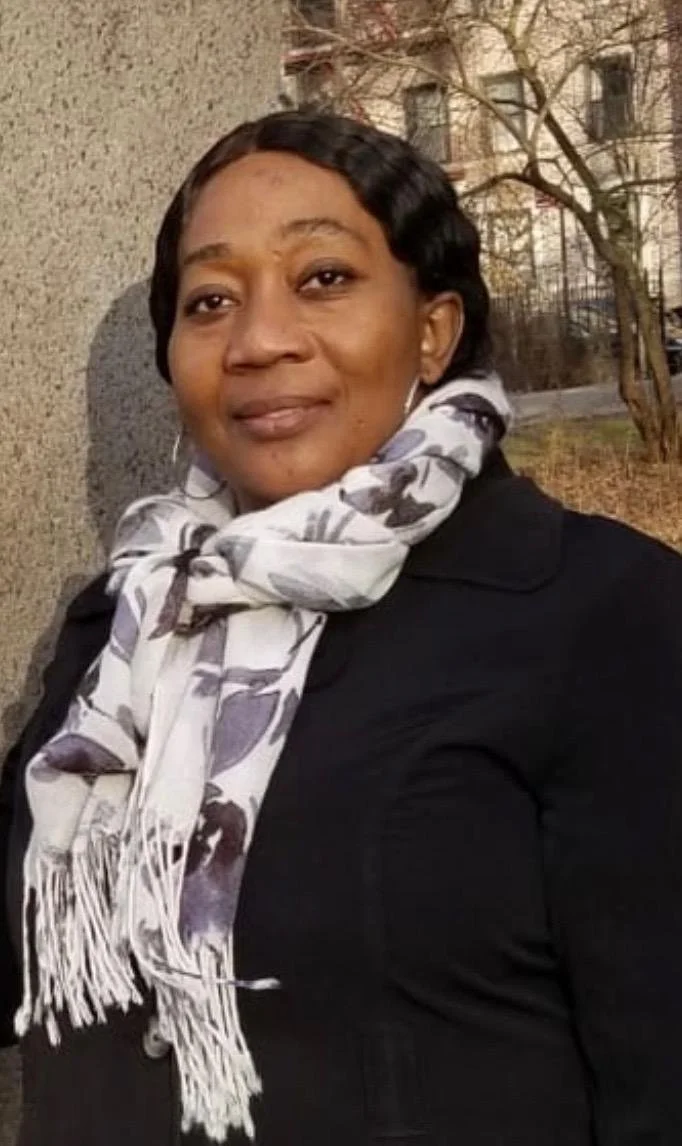
Turleta Stephen James
Author/Poet, Queens, NY
-
![]()
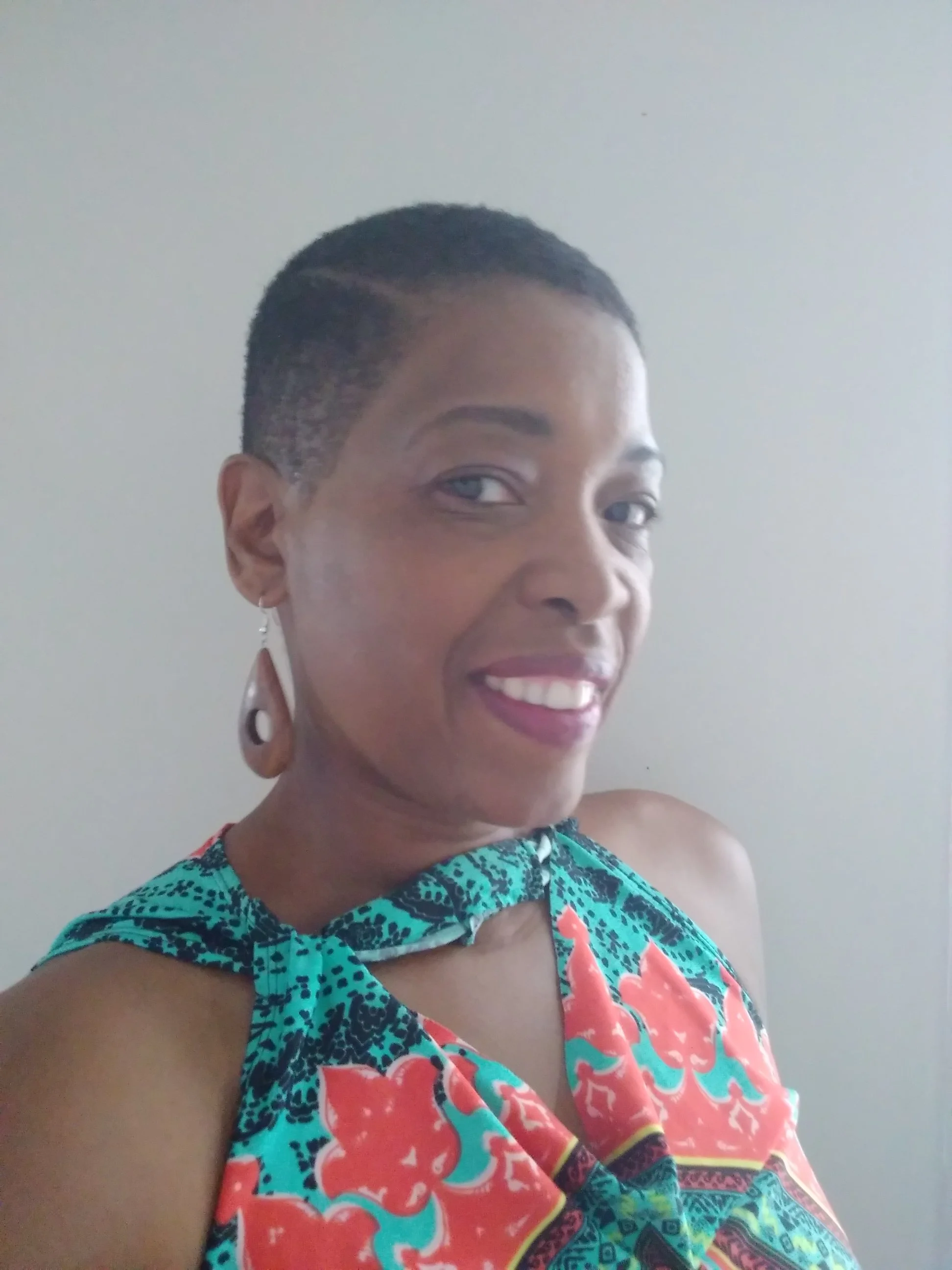
Arnetta Freeman
Poet, Game Industry, Little River, SC
GAME FEATURES!
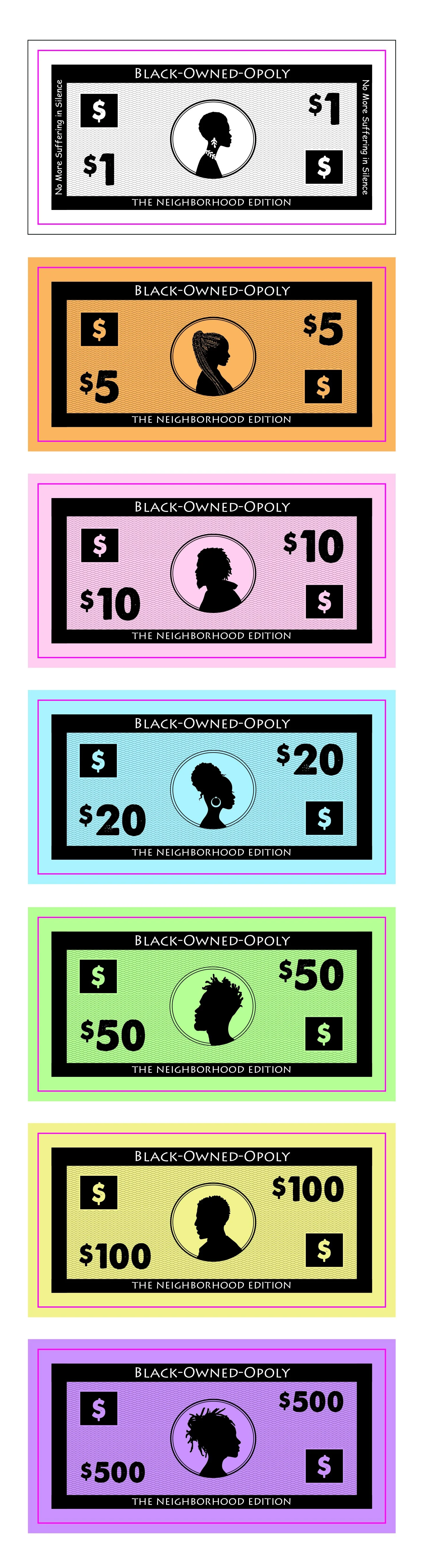
Unique Hope and Support Cards will take you on ride to Gospel greats studios, Big Bob’s Soul Food, and more…. Madam C. J., as the first black millionaire will be on the $500 bill and other up and coming business people in surrounding neighborhoods. It’s a way to honor the past…present…and future of black-owned businesses.